

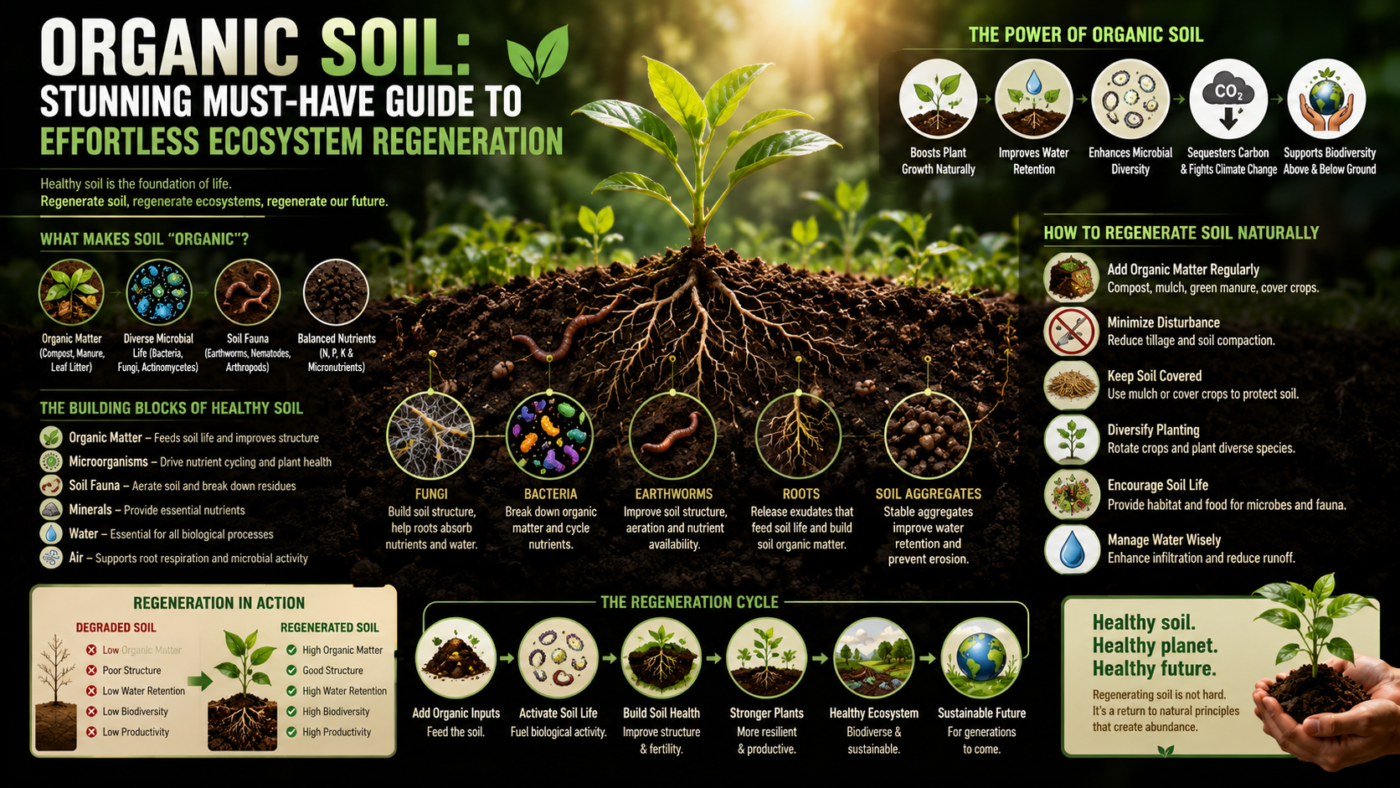
Tái tạo đất, or soil regeneration, is a fundamental yet often overlooked cornerstone of a healthy ecosystem. It is the intentional process of revitalizing tired, depleted, or damaged soil to restore its vitality and fertility, creating a foundation for robust plant growth and a thriving, balanced environment. In our modern agricultural and gardening practices, soil frequently becomes a mere substrate—a passive medium we expect to perform without proper nourishment. This guide will explore the essential principles and surprisingly effortless practices behind regenerating organic soil, transforming it from a lifeless dirt into a vibrant, living ecosystem that sustains itself and your plants.
Understanding the Core Principles of Soil Regeneration
The journey towards tái tạo đất begins with a shift in perspective. We must stop viewing soil as dirt and start recognizing it as a complex, dynamic living system. Healthy organic soil is a bustling metropolis of microorganisms, fungi, insects, and organic matter, all working in symbiotic harmony. The primary goal of regeneration is to foster this life, creating conditions where these biological communities can flourish. Key principles include increasing organic matter content, protecting soil structure, promoting biodiversity below the ground, and minimizing disruptive practices. This isn’t about forceful intervention; it’s about gentle stewardship and creating the right conditions for nature to do the heavy lifting.
The Essential Tools for Effortless Ecosystem Regeneration
Fortunately, the most effective tools for tái tạo đất are simple, natural, and often cost-free. They revolve around adding organic materials and protecting the soil’s physical integrity.
1. Compost: The Ultimate Soil Food
Compost is decomposed organic matter, a rich, humus-like substance teeming with beneficial microbes and nutrients. Regularly adding high-quality compost to your soil is the single most impactful step you can take. It feeds the soil biology, improves structure for better water retention and root penetration, and slowly releases nutrients in a form plants can easily use. Creating your own compost from kitchen scraps and yard waste closes the loop in your garden’s ecosystem and is a core act of regeneration.
2. Cover Crops and Mulching: Nature’s Protective Blanket
Keeping soil covered is paramount. Bare soil is vulnerable to erosion, temperature extremes, and moisture loss. Use living covers like clover or ryegrass (cover crops) to protect beds between main plantings. These crops also fix nitrogen and add organic matter when turned in. Alternatively, apply a thick layer of organic mulch—such as straw, leaves, or wood chips—around plants. Mulch suppresses weeds, retains moisture, moderates temperature, and slowly breaks down to feed the soil, mimicking the natural forest floor.
3. Minimizing Disturbance: Let the Soil Breathe
Traditional tilling and excessive digging disrupt soil structure, destroy fungal networks, and accelerate the decomposition of organic matter. Embrace no-till or low-till methods. When you need to plant, use a broadfork or simply dig small holes for transplants, leaving the majority of the soil intact. This allows the intricate web of life—especially the critical mycorrhizal fungi—to establish and thrive, creating a resilient soil ecosystem that naturally resists pests and diseases.
A Practical Pathway to Organic Soil Vitality
Implementing these tools doesn’t require a massive overhaul. Start small and observe. Begin by dedicating a garden bed or a section of your yard to these practices. Build a compost system, even a simple pile or bin. This fall, instead of raking and bagging leaves, shred them and use them as mulch on your beds. In an empty vegetable bed, sow some winter cover crop seeds. The most crucial step is to stop using synthetic fertilizers and pesticides, which harm soil biology and create dependency. Instead, trust that by feeding the soil with organic matter and protecting it, you will feed your plants more comprehensively and sustainably.
Monitoring Your Progress in Tái Tạo Đất
Success in soil regeneration is measured not just in plant yield but in soil indicators. Notice changes over seasons: the soil should become darker, smell earthy and pleasant, hold moisture better yet not become waterlogged, and feel crumbly and light in your hands. You will see more earthworms and other soil life. Plants will become more resilient to stress. This transformation is a gradual process, often taking several seasons, but each step forward creates a more self-sustaining garden that requires less input and effort from you.
The journey of tái tạo đất is ultimately a journey of partnership with nature. By focusing on regenerating the organic soil ecosystem, you build a foundation that supports not only your plants but the broader environment—sequestering carbon, filtering water, and supporting biodiversity. It is the stunning, must-have secret to a garden that is not just productive, but truly alive and effortless to maintain over time. Start today by adding a layer of compost and letting the soil life begin its work.
